Garden Room Design Questions
A practical step-by-step guide to garden room design questions, including preparation, instructions, common issues, tips, and next steps.
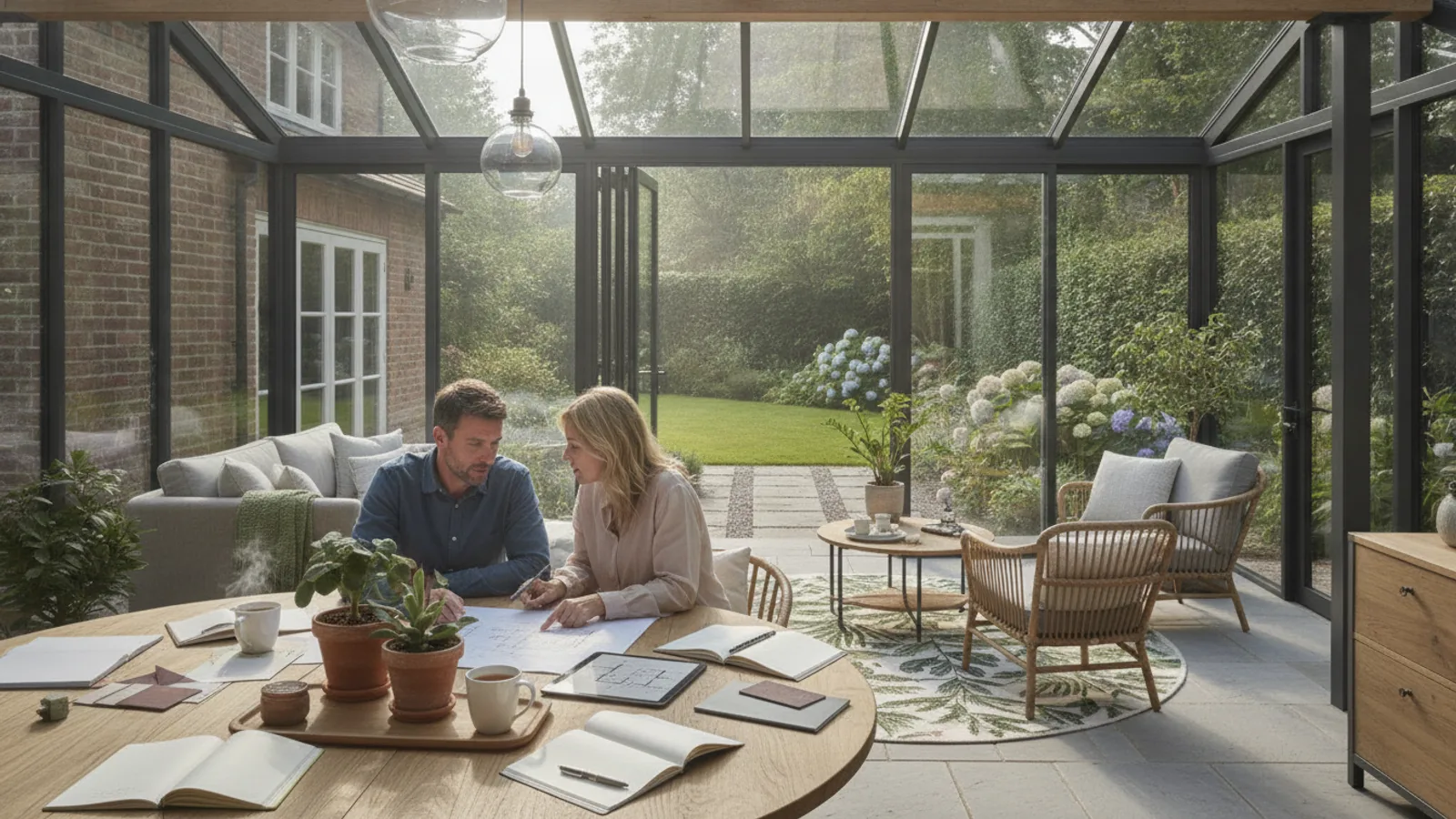
Garden Room Design Questions
This guide explains how to approach garden room design questions, including the preparation, practical steps, common mistakes, and final checks that help you finish with confidence.
Before You Start
Step-by-Step Instructions
Quick Reference
Common Problems When You Plan Your Garden Room
Even with careful planning, some common issues can arise when designing a garden room. Knowing these pitfalls can help you avoid them.
Forgetting Planning Permission or Building Regulations
This is arguably the most common and costly mistake. Many homeowners assume a garden room is "permitted development" and don't check with their local authority. However, specific rules apply to height, proximity to boundaries, proportion of garden covered, and even the room's intended use. Ignoring these can lead to forced modifications or even demolition, along with fines.
Fix: Always contact your local planning department **early in the design phase**. Provide them with your proposed dimensions, location, and intended use. They can confirm if you need formal planning permission or building regulation approval.
Underestimating the Total Budget
It's easy to focus on the cost of the main structure and forget all the 'extras.' Foundations, electrical connections, interior finishes, heating, delivery fees, and potential professional fees (architect, electrician) can quickly add up and exceed initial estimates.
Fix: Create a detailed budget spreadsheet, breaking down every single cost element. Get at least **three quotes** for each major component. Always add a **10-15% contingency fund** to account for unforeseen issues or desired upgrades during construction.
Poor Site Selection
Choosing the wrong spot can lead to issues with drainage, excessive sun exposure (making it too hot), or too much shade (making it damp and dark). Building on unstable or waterlogged ground can also cause long-term structural problems.
Fix: Observe your garden site thoroughly over a full day, and ideally, across different seasons. Note sun paths, shade patterns, and how water drains after rain. Conduct a simple soil test or consult a builder about ground conditions if you suspect issues.
Inadequate Insulation or Climate Control
If your garden room is not properly insulated or lacks efficient heating/cooling, it will be uncomfortable and expensive to use for much of the year. This defeats the purpose of having an extra usable space.
Fix: Prioritize high-quality insulation in the floor, walls, and roof. Factor in a suitable heating solution (e.g., electric panel heater, air conditioning unit) and ensure good ventilation through opening windows or trickle vents. Don't view these as optional extras.
Neglecting Security
Garden rooms can be attractive targets for theft, especially if they are far from the main house and contain valuable items like computers, musical instruments, or gym equipment. Standard shed locks are often insufficient.
Fix: Install high-security locks on all doors and windows (e.g., multi-point locking systems). Consider integrating an alarm system, motion-activated lighting, or even CCTV, especially if the room is remote or stores expensive items.
Advanced Tips for Garden Room Design Questions
Once you've covered the basics, these advanced tips can help you elevate your garden room design, making it more efficient, comfortable, and integrated.
Explore Smart Home Integration
Consider making your garden room a smart space. This can include smart lighting that you control from your phone, intelligent heating/cooling systems that learn your habits, or smart security cameras. You can also integrate smart blinds or a smart speaker for entertainment. Planning for these features early ensures the necessary wiring and connectivity are in place.
Prioritize Eco-Friendly and Sustainable Options
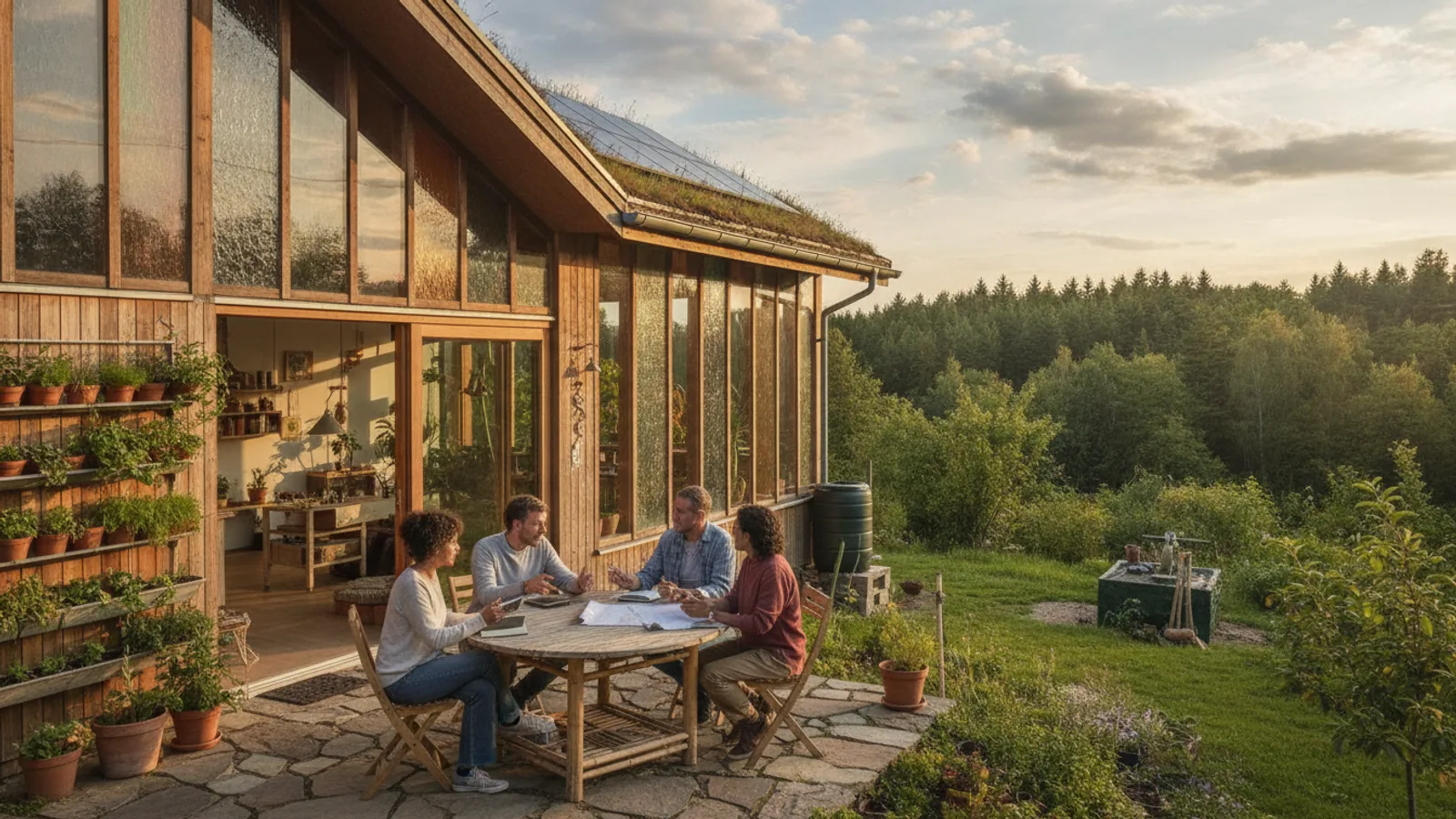
Beyond good insulation, think about the environmental impact of your garden room. Can you incorporate solar panels on the roof to generate electricity? Could you include a rainwater harvesting system for watering plants? Choose sustainably sourced timber, recycled materials, or a living sedum roof to enhance biodiversity and insulation.
Consult with a Professional Designer or Architect
For complex projects, unique designs, or challenging sites, hiring a professional garden room designer or architect can be invaluable. They can offer creative solutions, navigate planning regulations, produce detailed drawings, and even help manage the build. Their expertise can save you money and headaches in the long run, ensuring a high-quality, bespoke outcome.
Create Detailed 3D Visualizations
Instead of just 2D plans, use online tools or professional software to create 3D mock-ups of your garden room. This allows you to "walk through" the space virtually, experiment with different layouts, materials, and window placements, and get a much clearer sense of the final result before construction begins.
Design for Flexible Zoned Lighting
Think beyond a single ceiling light. Plan for multiple lighting zones – task lighting (for desks), ambient lighting (for overall brightness), and accent lighting (to highlight features). Using dimmable lights and different types of fixtures (recessed spotlights, wall sconces, floor lamps) allows you to create different moods and adapt the lighting to various activities.
Garden Room Design Questions FAQ
Final Checklist for Garden Room Design Questions
Before you commit to a design or begin construction, run through this final checklist to ensure all critical garden room design questions have been thoroughly addressed.
By diligently answering these garden room design questions, you'll create a well-planned, functional, and beautiful addition to your home that you can enjoy for years.
FAQ
What should I check before I start?
Check the goal, the key prerequisite, and any current instructions that could change the safest next step for garden room design questions.
How can I tell whether the result is working?
Use the practical checks in the guide, pause if a required step is unclear, and verify the finished result against the intended outcome.