Garden Room Storage Ideas
A practical step-by-step guide to garden room storage ideas, including preparation, instructions, common issues, tips, and next steps.
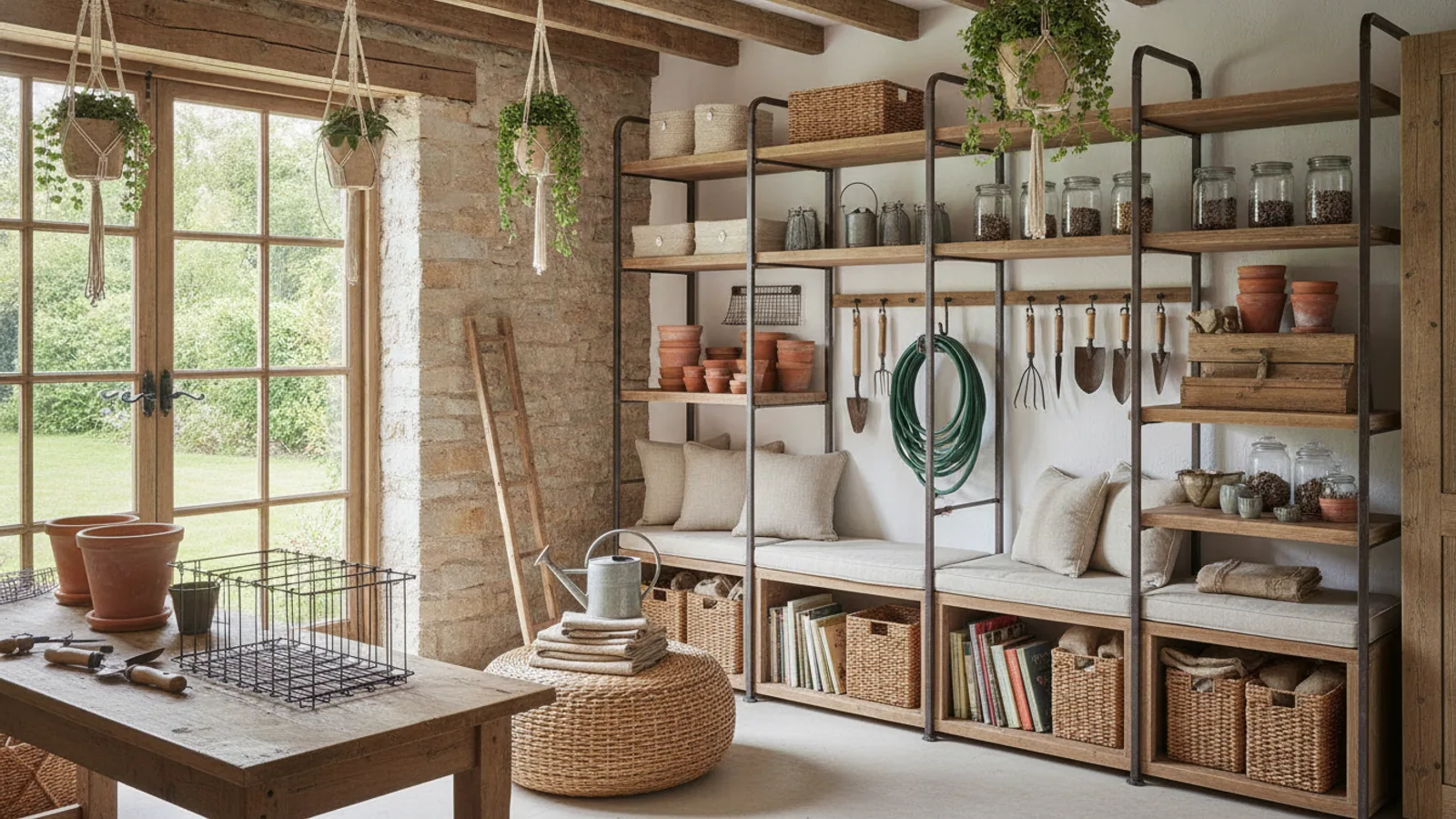
Garden Room Storage Ideas
This guide explains how to approach garden room storage ideas, including the preparation, practical steps, common mistakes, and final checks that help you finish with confidence.
Before You Start
Before diving into specific storage solutions, it's helpful to gather a few essential items and prepare your space. This groundwork will make the entire process smoother and more effective.
What You Need
Safety, Timing, or Context Checks
Ensuring safety and considering the context of your garden room are crucial before you begin adding storage. These checks help prevent damage, maximize durability, and ensure your storage solutions are appropriate for the environment.
Step-by-Step Instructions
Quick Reference
Common Problems When You Organize Garden Room Storage Ideas
Even with careful planning, you might run into common issues when setting up your garden room storage. Here are some frequent problems and practical solutions to keep your space organized.
Problem: The room still feels cluttered, even with new storage.
Solution: This often happens when you haven't truly decluttered enough, or when open storage is overused. Revisit Step 2 (Declutter and Sort) and be more ruthless. Consider adding more closed storage solutions (cabinets, storage benches) to hide items that don't need to be on display. Evaluate if you're keeping too many "just in case" items. Sometimes, less truly is more, especially in a relaxation or creative space.
Problem: It's hard to find items, even though they're in containers.
Solution: This points to a lack of clear labeling or inconsistent categorization. Go back to Step 9 (Label Everything Clearly). Ensure every opaque container has a specific label. Use clear bins for items where visibility is key. Re-evaluate your categories; perhaps "General Gardening" is too broad, and needs to be split into "Potting Supplies," "Pruning Tools," and "Seed Packets." Consistency in where things are stored is also key.
Problem: Storage units block natural light or make the room feel small.
Solution: You might have chosen storage that is too bulky or placed it incorrectly. Opt for open-backed shelving units or floating shelves near windows to maintain light flow. Use lighter colors for storage units to make the space feel airier. Tall, narrow units can be less imposing than wide, bulky ones. Reflective surfaces or mirrors can also help bounce light around the room, counteracting the visual weight of storage.
Problem: Garden tools or supplies are getting damp or dusty.
Solution: Your storage solutions aren't providing adequate protection. For dampness, use sealed, airtight plastic containers for items like soil, compost, or sensitive craft supplies. Ensure cabinets have well-fitting doors. Consider adding small moisture absorbers to enclosed spaces. For dust, fully enclosed cabinets are best. Regular cleaning of open shelves and dusting of items can also mitigate the issue.
Problem: The storage system quickly becomes disorganized again.
Solution: This suggests the system isn't intuitive or easy to maintain. Review Step 10 (Maintain and Adapt). Is every item's "home" obvious? Are items frequently used stored within easy reach? If a system is too complicated, people won't follow it. Simplify, reduce the number of steps to put something away, and make sure everyone using the room understands and commits to the system. Sometimes, less stringent categorization with more robust containers is better for busy individuals.
Advanced Tips for Garden Room Storage Ideas
Once you've mastered the basics, consider these advanced strategies to take your garden room storage to the next level of efficiency and aesthetics.
Integrate Custom Built-In Storage
For a truly seamless and maximized space, consider custom built-in units. These can be designed to fit awkward nooks, around windows, or under sloped ceilings, making use of every available inch. Built-ins can include shelving, cabinets, and even a bespoke potting bench or craft table. While a larger investment, they offer superior aesthetics and highly tailored functionality, making your garden room feel much more cohesive and luxurious.
Implement Modular and Expandable Systems
Look for storage systems that are modular, meaning they can be expanded or reconfigured as your needs change. This could include interlocking stackable bins, adjustable shelving tracks, or interchangeable pegboard accessories. A modular approach allows your storage to grow with your hobbies and collections, preventing the need for a complete overhaul every few years. It's a flexible investment that pays off in long-term adaptability.
Leverage "Dead Space" with Creative Solutions
Don't overlook often-ignored areas. The space behind doors can hold shallow shelving or hanging organizers. The undersides of shelves can have hooks for hanging smaller tools or cups. Corners can be fitted with corner shelves. Even the ceiling can be used for hanging lightweight items like dried herbs or decorative baskets, as long as they don't obstruct views or head clearance. Think vertically, horizontally, and even downwards to find hidden storage potential.
Prioritize Ergonomics and Accessibility
Design your storage not just for capacity, but for ease of use. Store the most frequently used items at eye level or within easy reach. Heavier items should be on lower shelves. Consider pull-out drawers or trays for deep cabinets to avoid rummaging. If you have a dedicated workspace, ensure all necessary tools and materials are within arm's reach without excessive stretching or bending. An ergonomically designed storage system makes working or relaxing in your garden room much more enjoyable and efficient.
Incorporate Smart Lighting within Storage
Good lighting isn't just for the main room; it can significantly enhance your storage. Install small LED strip lights or puck lights inside cabinets, under shelves, or within deep drawers. This illuminates contents, making it easier to find items and adding a sophisticated touch. Battery-operated options are available if wiring is an issue. Proper lighting transforms storage from a dark hole into an organized, accessible feature.
Garden Room Storage Ideas FAQ
What's the best type of shelving for a garden room prone to dampness?
For damp-prone garden rooms, consider shelving made from materials resistant to moisture. Options include plastic or resin shelving, which won't rust or warp. Galvanized steel shelving is also an excellent choice due to its durability and rust resistance. If you prefer wood, opt for pressure-treated wood or wood that has been sealed with a marine-grade varnish or exterior paint to protect it from humidity and moisture.
How can I store large garden tools like rakes and shovels without them falling over?
The most effective way to store large garden tools is vertically. Install a wall-mounted tool rack or a series of heavy-duty hooks directly onto a wall stud. These systems are designed to hold tool handles securely, keeping them off the floor and preventing them from falling. Alternatively, a large, deep barrel or sturdy metal bin can hold them upright if space allows, but wall-mounting is safer and more space-efficient.
What are good ways to store small items like seeds, labels, or plant markers?
For small items, segregation is key. Use small drawer organizers, clear plastic containers with lids, or tackle boxes with multiple compartments. Old photo boxes are excellent for organizing seed packets. A pegboard system with small bins or hooks can also keep these items visible and accessible. Grouping them by type (e.g., all seeds, all labels) in their dedicated containers will help keep them tidy and easy to find.
Can I combine open and closed storage solutions in a garden room?
Absolutely! Combining open and closed storage is often the best approach for a functional and aesthetically pleasing garden room. Use closed cabinets and drawers to hide away clutter, unsightly items, or sensitive supplies. Reserve open shelves and displays for decorative items, books, frequently used tools that are neat, or beautiful plant pots. This balance prevents the room from feeling too cluttered or too sterile, creating visual interest and practical utility.
How do I make sure my storage system is easy to clean?
When choosing storage solutions, look for smooth, non-porous surfaces that are easy to wipe down. Plastic bins, metal shelving, or painted wooden units are generally easier to clean than unfinished wood or porous materials that can trap dirt. Opt for containers with lids to protect contents from dust and debris. Also, ensure there's enough space between units and walls for easy access during cleaning. Regular, light cleaning is always easier than tackling a major build-up.
Final Checklist for Garden Room Storage Ideas
Before you consider your garden room storage project complete, run through this final checklist to ensure everything is in order and optimized for long-term enjoyment and efficiency.
- Decluttering complete? All unwanted items have been removed, donated, or discarded.
- Items categorized and grouped? Similar items are stored together in logical groupings.
- Vertical space utilized effectively? Shelves, hooks, or wall-mounted units make use of wall height.
- Mix of open and closed storage achieved? Clutter is hidden, and attractive items are displayed.
- Small items contained? Bins, baskets, or drawer dividers keep tiny items tidy.
- Tools and supplies organized for specific tasks? Gardening tools are near a potting area, craft supplies near a craft zone.
- Multi-functional furniture considered? Any furniture serves at least two purposes to maximize space.
- All containers and shelves clearly labeled? You (and others) can easily find and return items.
- Storage units securely installed? Shelves and wall-mounted items are safely fastened.
- Accessibility checked? Frequently used items are within easy reach.
- Pathways clear? No storage obstructs movement, doors, or windows.
- Environmental factors considered? Items are protected from dampness, dust, or extreme temperatures.
- Maintenance plan in place? A routine for tidying and reviewing the system is established.
- Room feels functional and inviting? The overall goal of an organized, pleasant garden room is met.