Small House Materials Guide
A practical step-by-step guide to small house materials guide, including preparation, instructions, common issues, tips, and next steps.
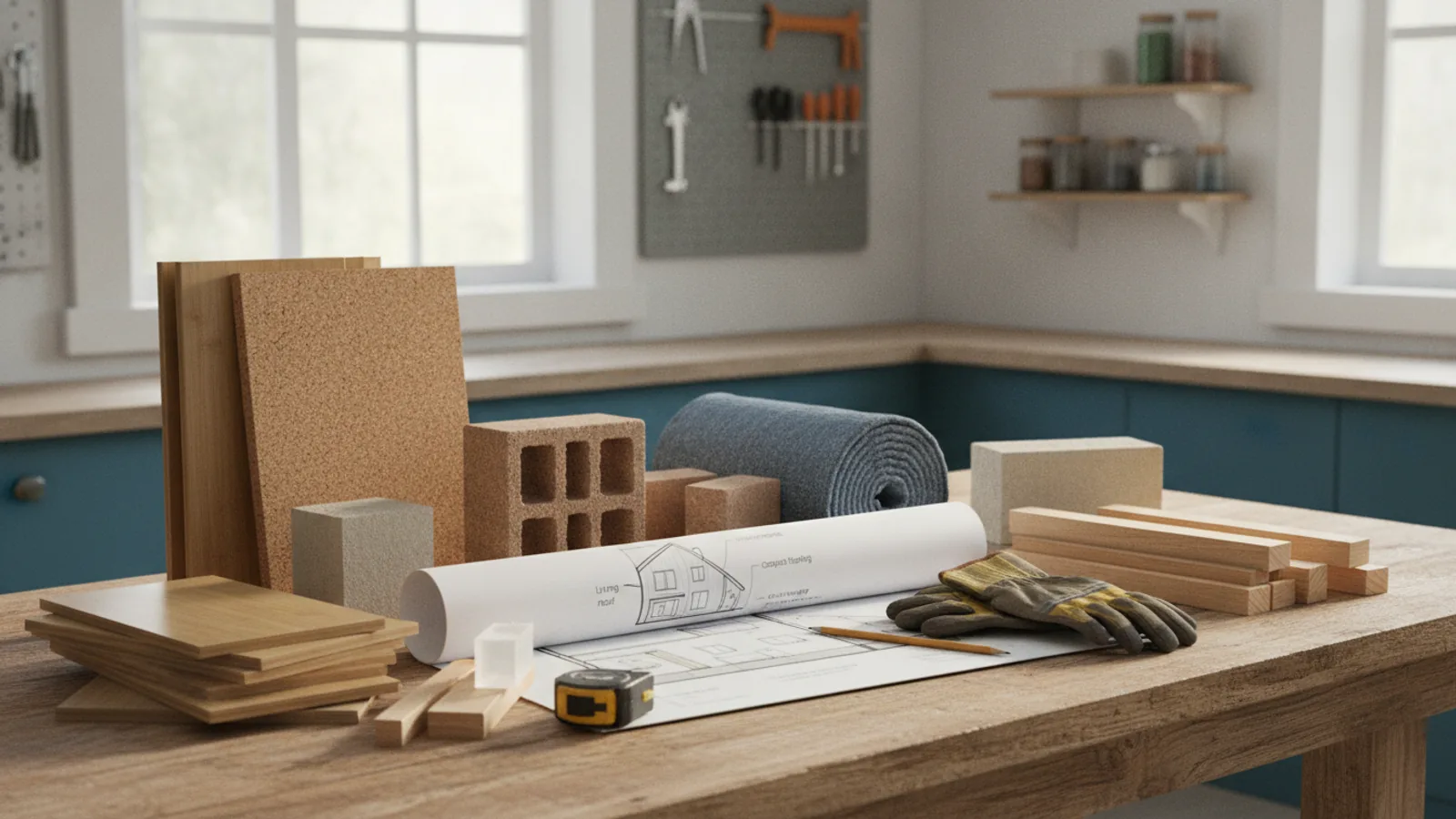
Small House Materials Guide
This guide explains how to approach small house materials guide, including the preparation, practical steps, common mistakes, and final checks that help you finish with confidence.
Before You Start
Step-by-Step Instructions
Quick Reference
Common Problems When You Choose Small House Materials
Even with careful planning, issues can arise when selecting materials for a small house. Knowing these common problems and their solutions can save you time and money.
-
Overspending on "Premium" Materials: It's easy to get excited about high-end options, but in a small space, costs add up fast.
Fix: Prioritize where premium materials matter most (e.g., a durable roof, energy-efficient windows) and save on areas where budget-friendly alternatives are perfectly adequate (e.g., interior paint, laminate countertops). Look for sales or end-of-batch discounts.
-
Ignoring Local Climate Requirements: Choosing materials that aren't suited for your specific weather can lead to structural damage, high energy bills, or early material failure.
Fix: Before buying, double-check recommended R-values for insulation, wind ratings for roofing/siding, and moisture resistance for all exterior materials specific to your region. Consult local builders or climate guides.
-
Forgetting Building Code Compliance: Not checking local codes can force costly modifications or even demolition.
Fix: Always confirm material specifications (e.g., fire ratings, structural strength, insulation values) with your local building department before purchasing. Get permits approved with your material choices included in the plans.
-
Underestimating Material Weight and Delivery: Small houses on wheels have strict weight limits, and even static small homes can have delivery challenges in tight spaces.
Fix: Calculate the approximate weight of all your chosen materials, especially for tiny homes on wheels. For all projects, confirm delivery access and storage options with suppliers before ordering. Consider phased deliveries for large, heavy items.
-
Choosing Materials with High Maintenance: In a small house, constant upkeep can feel more burdensome.
Fix: If you prefer low maintenance, opt for materials like metal siding and roofing, fiber cement, or vinyl windows. If you love the look of wood, be prepared for regular staining or painting.
Advanced Tips for Small House Materials Guide
Once you've mastered the basics, these advanced strategies can help you optimize your small house build even further.
-
Embrace Salvaged and Reclaimed Materials: Sourcing used materials like barn wood, old windows, or vintage fixtures can add unique character and significantly reduce costs.
How to: Search local architectural salvage yards, demolition sites (with permission), or online marketplaces. Always inspect salvaged materials carefully for structural integrity, pests, and lead paint. Ensure they meet any necessary code requirements if used structurally.
-
Design for Passive Solar Gain and Natural Ventilation: Integrate your material choices with your home's orientation and window placement to naturally regulate temperature.
How to: Use high thermal mass materials (like concrete floors or stone walls) on the sunny side of your house in cold climates to absorb and slowly release heat. In hot climates, choose lighter-colored, reflective roofing and siding, and strategically place windows for cross-ventilation.
-
Consider Prefabricated Components: Using pre-built sections like wall panels (SIPs), modular kitchen units, or factory-assembled bathrooms can speed up construction and ensure consistent quality.
How to: Research manufacturers of small house kits or modular components. While the upfront cost might be higher, they can save significantly on labor and reduce waste on site.
-
Prioritize Air Sealing Over Just Insulation: A well-sealed small house prevents drafts and moisture issues, making your insulation work much more effectively.
How to: Use high-quality caulking, sealants, and adhesive tapes around all penetrations (windows, doors, wiring, plumbing). Consider a continuous air barrier material on the exterior sheathing before siding. Spray foam insulation also excels at air sealing.
-
Future-Proof for Upgrades and Maintenance: Think about how easy it will be to access and repair utilities or add future expansions.
How to: Use removable interior wall panels for access to plumbing/electrical. Choose exterior materials that are easy to repair in sections, rather than requiring full replacement. Design with future solar panel installation or rainwater harvesting in mind.
Small House Materials Guide FAQ
Here are answers to some common questions about choosing materials for small houses.
Q: What's the cheapest material for a small house?
A: Generally, wood stud framing combined with plywood siding (T-111 style), asphalt shingles for the roof, fiberglass batt insulation, and vinyl windows/siding are among the most budget-friendly options. However, always consider the long-term cost, including maintenance and energy efficiency, not just the initial purchase price.
Q: How important is insulation in a small house?
A: Insulation is extremely important in a small house. Because the living space is compact, temperature changes can be felt more quickly. Good insulation is key to maintaining a comfortable indoor climate, reducing energy bills, and preventing moisture issues. Aim for the highest R-value you can afford and that your local codes allow.
Q: Can I use reclaimed materials for my small house?
A: Yes, many people successfully use reclaimed materials like wood, windows, and doors for small houses. It can add unique character and reduce costs. However, always ensure reclaimed materials are structurally sound, free of pests or harmful substances (like lead paint or asbestos), and comply with local building codes, especially for structural components.
Q: What are the best exterior materials for durability?
A: For superior durability and low maintenance, metal siding (like corrugated steel or aluminum), fiber cement siding, and metal roofing are excellent choices. These materials are highly resistant to rot, pests, fire, and harsh weather conditions, offering a long lifespan with minimal upkeep.
Q: Should I worry about the weight of materials for a tiny house on wheels?
A: Absolutely, weight is a critical concern for tiny houses on wheels. Every material choice adds to the total weight, and exceeding your trailer's Gross Vehicle Weight Rating (GVWR) is unsafe and illegal. Opt for lightweight materials wherever possible, like steel studs, lighter siding options, and thoughtful interior finishes. Calculate weight estimates carefully throughout your design process.
Final Checklist for Small House Materials Guide
Use this checklist to ensure you've considered all key aspects before finalizing your material choices and beginning construction.
- Budget Defined: Have you set a clear budget and allocated funds for each material category?
- Climate Needs Met: Are your chosen materials suitable for your specific climate's heat, cold, moisture, and wind conditions?
- Local Codes Checked: Have all materials been verified for compliance with local building codes and secured permits?
- Foundation Planned: Have you selected a foundation type and its corresponding materials appropriate for your site?
- Framing Chosen: Is your framing material (wood, steel, SIPs) decided, balancing cost, strength, and ease of build?
- Exterior Siding Selected: Have you chosen siding that provides protection, meets aesthetic goals, and suits your maintenance preference?
- Roofing Finalized: Is your roofing material selected, considering durability, slope, and weather resistance?
- Insulation Optimized: Have you chosen insulation types that achieve optimal R-values and airtightness for energy efficiency?
- Interior Finishes Decided: Are your wall coverings, flooring, and countertops chosen for aesthetics, durability, and practicality?
- Windows and Doors Chosen: Are your windows and doors selected for light, ventilation, security, and energy performance?
- Sourcing Strategy: Do you have a plan for purchasing, transporting, and storing all materials?
- Long-Term Maintenance: Have you considered the long-term maintenance requirements of all chosen materials?