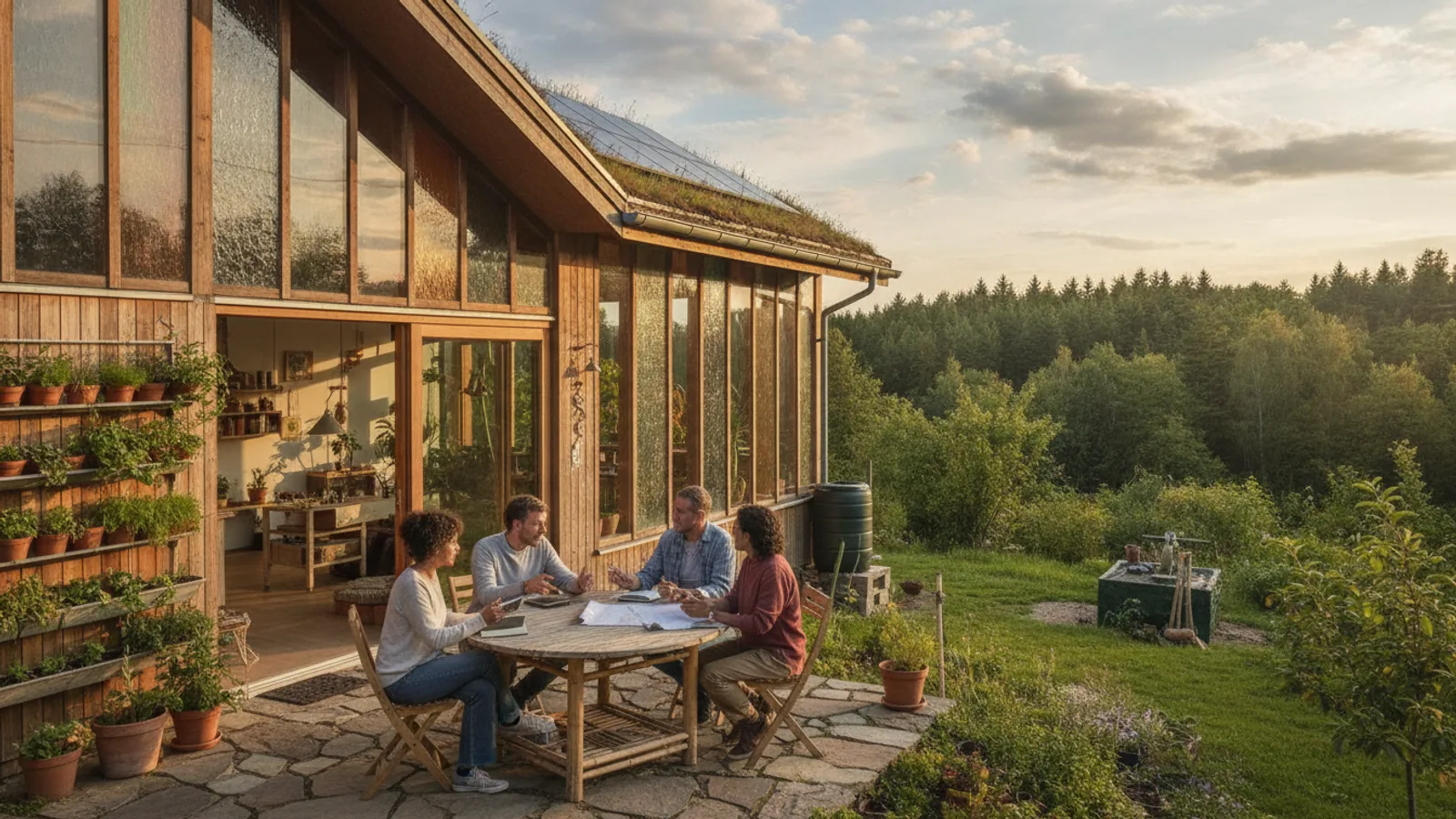
Sustainable Home Budget Checklist
A practical step-by-step guide to sustainable home budget checklist, including preparation, instructions, common issues, tips, and next steps.

Sustainable Home Budget Checklist
This guide explains how to approach sustainable home budget checklist, including the preparation, practical steps, common mistakes, and final checks that help you finish with confidence.
Before You Start
Step-by-Step Instructions
Quick Reference
Common Problems When You Create a Sustainable Home Budget
Creating and maintaining a budget isn't always smooth sailing. Many people encounter similar hurdles. Understanding these common problems and their solutions can help you stay on track and build a truly sustainable financial plan.
Underestimating or Forgetting Expenses
It's easy to overlook small, infrequent expenses like annual software subscriptions, car maintenance, or gifts. These can add up and throw your monthly budget off course. Similarly, people often underestimate variable costs like groceries or entertainment, leading to overspending in those categories.
Lack of Consistency in Tracking
Many start strong with budgeting but lose steam after a few weeks. Forgetting to track expenses daily or weekly leads to a muddled picture, making it hard to know if you're sticking to your plan. This often results in giving up on the budget entirely.
Being Too Restrictive
Trying to cut out all "wants" immediately can lead to burnout and feeling deprived. A budget that's too tight often backfires, causing you to give up and revert to old spending habits, sometimes even overspending as a rebellion against the strictness.
Dealing with Unexpected Expenses
Life happens – a car repair, a medical bill, or a broken appliance can derail a carefully planned budget, especially if you don't have an emergency fund. These surprises can lead to using credit cards and accumulating debt.
Feeling Overwhelmed by the Process
For newcomers, budgeting can seem like a complex and daunting task, especially when dealing with many accounts, debts, and varying income streams. This feeling of being overwhelmed can prevent people from even starting.
Advanced Tips for a Sustainable Home Budget Checklist
Once you've mastered the basics of budgeting, these advanced strategies can help you optimize your financial plan, accelerate your goals, and build even greater resilience against financial surprises.
Implement the "Pay Yourself First" Principle
This goes beyond just having a savings category in your budget. "Paying yourself first" means setting up automated transfers to your savings, investment, or debt-repayment accounts immediately after you receive your paycheck, before you pay any other bills or spend on discretionary items. This ensures your financial goals are prioritized.
Utilize Sinking Funds for Irregular Expenses
Sinking funds are separate savings accounts or designated budget categories for specific, planned expenses that aren't monthly. This prevents large, irregular bills (like annual insurance premiums, holiday gifts, car repairs, or home maintenance) from blindsiding your monthly budget.
Consider a "Zero-Based" Budget
A zero-based budget means that every dollar of your income is assigned a specific job (either spent, saved, or used to pay debt) until your income minus your expenses equals zero. This method ensures no money is left unaccounted for and helps you be intentional with every dollar.
Track Your Net Worth
Beyond just income and expenses, tracking your net worth gives you a broader picture of your financial health. Your net worth is your assets (what you own, like savings, investments, property) minus your liabilities (what you owe, like debts).
Review and Negotiate Recurring Bills
Don't just set your recurring bills and forget them. Many services are negotiable, or you might be eligible for better rates or plans. This includes internet, cable, cell phone, and insurance.
Create a "Buffer" or "Flex" Category
Even with careful planning, unexpected small expenses can pop up. A buffer category in your budget provides a small amount of money (e.g., $50-$100) that isn't assigned a specific job, allowing you to cover minor unforeseen costs without dipping into your emergency fund or going off-budget. Any money left in this category at the end of the month can be rolled into savings or debt repayment.
Sustainable Home Budget Checklist FAQ
What is a sustainable home budget?
A sustainable home budget is a financial plan that helps you manage your money effectively and consistently over the long term. It allows you to cover your expenses, save for future goals, and handle unexpected costs without causing stress or relying on debt. It's a budget that adapts to your life and supports your financial well-being.
How often should I review my budget?
You should review your budget at least once a month. This allows you to compare your actual spending to your plan, make necessary adjustments, and ensure it still aligns with your current income, expenses, and financial goals. Major life changes, like a new job, moving, or having a child, warrant an immediate budget review.
What if my income varies each month?
If your income is inconsistent, it's best to budget based on your lowest typical monthly income. Any extra income you earn above that baseline can then be directed towards savings, debt repayment, or other financial goals, rather than being factored into your regular monthly spending. This approach provides a stable foundation for your budget.
What's the difference between "needs" and "wants"?
Needs are essential expenses required for living, such as housing, utilities, groceries (basic food), transportation to work, and essential healthcare. Wants are discretionary expenses that improve your quality of life but aren't strictly necessary, like dining out, entertainment, designer clothing, or luxury vacations. Differentiating between the two is crucial for finding areas to cut back if needed.
Should I use cash or cards for tracking expenses?
Both methods have pros and cons. Using a debit or credit card often provides an automatic digital record of your transactions, simplifying tracking. Using cash for certain categories (like groceries or entertainment) can help you stick to a strict limit, as once the cash is gone, you can't spend more. Many people use a combination, with cards for major bills and cash for smaller, variable spending.
How long does it take to see results from budgeting?
You might start seeing small results, like a clearer understanding of your spending, within the first month. Significant financial improvements, such as building a substantial emergency fund or paying off debt, typically take several months to a year or more, depending on your goals and income. Consistency and patience are key to long-term success.
Final Checklist for a Sustainable Home Budget
Use this checklist to ensure you've covered all the essential steps for creating and maintaining a sustainable home budget.
By consistently following these steps, you'll establish a sustainable home budget that provides financial clarity, reduces stress, and helps you achieve your long-term money goals. Remember, budgeting is a journey, not a destination. Keep learning, keep adjusting, and celebrate your progress along the way.