How To Use Colour In A Small Room
A practical step-by-step guide to how to use colour in a small room, including preparation, instructions, common issues, tips, and next steps.
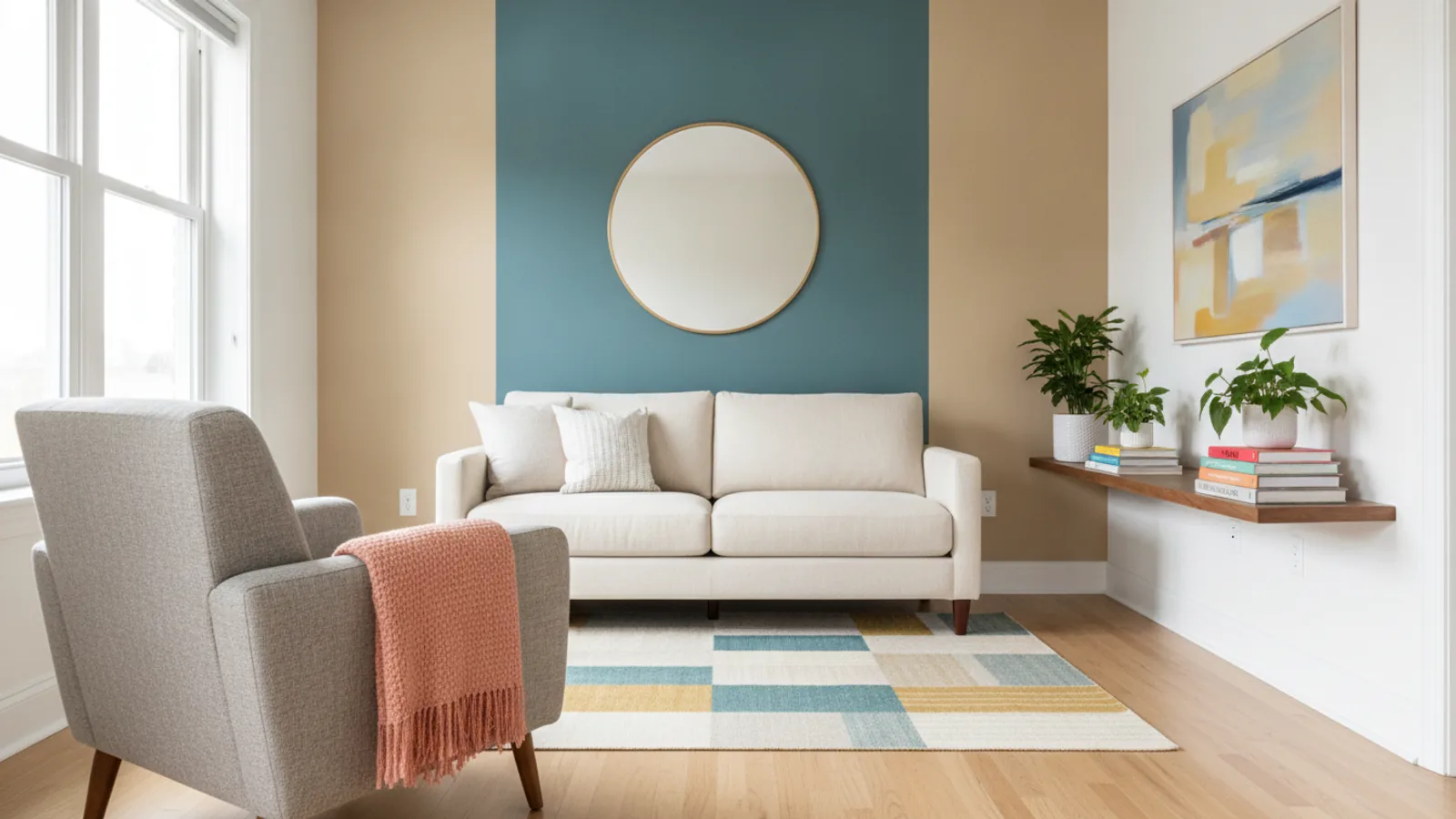
How To Use Colour In A Small Room
This guide explains how to approach how to use colour in a small room, including the preparation, practical steps, common mistakes, and final checks that help you finish with confidence.
Before You Start
Before you dive into painting, a little preparation goes a long way to ensure your colour choices truly enhance your small room. Understanding the basics of colour and your room's unique features will help you achieve the best results.
Step-by-Step Instructions
Quick Reference
Common Problems When You Use Colour In A Small Room
Even with the best intentions, mistakes can happen when decorating a small space. Knowing what common pitfalls to look out for can save you time and frustration.
Problem: Overwhelming the Room with Dark or Saturated Colours
The most common mistake is choosing very dark or intensely bright colours for all walls in a small room. While a dark colour can be cozy, using it on all surfaces in a tight space will absorb light and make the room feel much smaller, closed-in, and even claustrophobic. Deep colours tend to advance visually, making walls seem closer.
Fix: Reserve dark or very saturated colours for small accents only. Use them in artwork, a single piece of furniture, or decorative items. If you truly love a dark hue, consider painting only one accent wall, preferably the shortest one, and balance it with very light colours on the other walls and ceiling.
Problem: Ignoring the Room's Natural and Artificial Lighting
A colour swatch looks one way in the store and completely different in your room. This is almost always due to lighting. Colours react dramatically to the amount and temperature (warm or cool) of light they receive. A beautiful grey might look blue or purple in a north-facing room with cool light, or dirty beige in a room with warm, yellow-toned artificial light.
Fix: Always, always test paint samples in your actual room. Paint large swatches on different walls and observe them throughout the day and evening. Check them under both natural daylight and your typical artificial lighting. This is the only reliable way to see how the colour will truly appear.
Problem: Too Many Patterns or Bold Accents
While patterns can add interest, a small room can quickly feel cluttered and busy if there are too many competing patterns or an overuse of bold accents. A busy visual environment can make the walls feel like they're closing in, negating any efforts to make the room feel larger.
Fix: Opt for subtle patterns or textures on larger surfaces like wallpaper, or keep patterns contained to smaller items like cushions or a single rug. When using bold accents, choose just one or two points of interest rather than scattering them throughout the room. Keep the background (walls, ceiling) calm and cohesive.
Problem: Forgetting the Ceiling and Trim
Sometimes people focus so much on the walls that they overlook the ceiling and trim, treating them as afterthoughts. A dark ceiling can visually lower the room's height, and high-contrast trim can chop up the wall space, making it appear smaller.
Fix: Paint the ceiling a lighter colour than your walls, ideally white or a very light shade that matches your walls. For trim, using a light colour (like white or off-white) or painting it the same colour as the walls will help create a seamless, expansive look. Avoid stark contrasts between wall and trim in very small spaces unless it's a specific design choice for a very modern aesthetic.
Problem: Lack of Cohesion and Flow
If every surface, piece of furniture, and accessory is a different colour or style, a small room can feel disjointed and messy. This lack of visual continuity can contribute to a sense of clutter, even if the room is tidy.
Fix: Stick to a consistent colour palette of 2-3 main colours, with small accents. Use a harmonious blend of colours and textures. Consider how colours in adjacent rooms might impact the small room's feel. A consistent colour story helps the eye flow smoothly through the space, making it feel more coherent and therefore larger.
Advanced Tips for How To Use Colour In A Small Room
Once you've mastered the basics, you can explore more sophisticated techniques to truly optimize your small space with colour.
Use a Tonal or Monochromatic Scheme with Varied Textures
Instead of just picking one light colour, delve into a monochromatic scheme where you use different shades, tints, and tones of a single colour. For example, a very pale blue on the walls, a slightly deeper blue-grey on the ceiling, and even deeper blue accessories. This creates depth and interest without adding visual clutter. To keep it from feeling flat, introduce varied textures through fabrics, wood, metal, and glass. A matte paint finish on walls and a satin finish on trim can also add subtle textural contrast.
Paint Built-ins and Furniture the Same Colour as Walls
If you have built-in shelving, cabinets, or even large pieces of furniture in your small room, painting them the exact same colour as the walls can work wonders. This strategy makes these elements blend seamlessly into the background, creating an unbroken line that visually expands the wall space. They become integrated features rather than standalone objects that break up the room. This works especially well for creating a sophisticated, custom look.
Experiment with Vertical Colour Blocking
For a subtle yet effective way to add height, consider vertical colour blocking. Instead of just painting stripes, divide a wall into two or three horizontal sections using different, but complementary, light colours. For instance, paint the bottom third a slightly darker shade, the middle a lighter shade, and the top section, extending onto the ceiling, in the lightest shade. This draws the eye upwards and can make the room feel taller. Ensure the colour transitions are soft and harmonious to avoid harsh lines that can make a room feel chopped up.
Create Zones with Colour and Rugs
In a small multi-functional room, you can use subtle colour shifts or rugs to define different zones without putting up physical dividers. For instance, a small reading nook might have a slightly different, perhaps cozier, shade on its wall, or be anchored by a rug that visually separates it from the rest of the room. The key is to keep these colour changes subtle and within your overall light, cool palette to maintain a sense of openness.
Connect Adjacent Small Rooms with Colour Flow
If you have multiple small rooms connected (like a small living room opening into a small dining area), creating a seamless colour flow between them can make the entire living space feel larger and more cohesive. Use the same light, neutral colour on the walls of both rooms, or choose analogous colours (colours next to each other on the colour wheel) that transition smoothly. This unbroken visual line prevents the eye from stopping at each doorway, making the whole area feel like one larger, connected space.
How To Use Colour In A Small Room FAQ
Can I use dark colours in a small room at all?
Yes, but with caution and strategy. Dark colours absorb light and can make a room feel smaller. If you want to use a dark colour, consider it for only one accent wall (ideally the shortest wall or a wall with a window) to add depth, or use it in small doses through accessories. For a very small room, a deep colour can sometimes create a cozy, den-like, jewel-box effect if that's your goal, but it will definitely not make the room feel larger.
What are the best colours for a small bedroom to make it feel calm and spacious?
For a calm and spacious small bedroom, soft blues, gentle greens, light greys, and warm off-whites are excellent choices. These colours are known for their tranquil qualities and their ability to recede visually, making the room feel more open and relaxing. Light blue can evoke a sky-like openness, while soft green connects to nature and serenity. Light greys and off-whites provide a clean, peaceful backdrop.
Should walls and trim be the same colour in a small room?
Painting walls and trim the same light colour is a very effective strategy for small rooms. It eliminates visual breaks, creating a seamless, continuous surface that makes the room feel larger and more modern. If you prefer a more traditional look, use a crisp white or a slightly lighter shade of your wall colour for the trim to define the edges without creating too much contrast.
How do mirrors help with colour and space in a small room?
Mirrors are incredibly powerful tools for small rooms. They reflect light, making the room brighter, and they reflect the room's existing colours, essentially doubling their impact and spreading them further. Most importantly, a large mirror creates an illusion of depth and space, making the room feel significantly larger than it is by bouncing back the image of the room itself. Placing a mirror opposite a window is especially effective.
Are bold patterns completely off-limits in small spaces?
Not entirely, but they require careful consideration. Large, busy patterns on all walls can overwhelm a small room and make it feel cluttered. However, a single, bold pattern used sparingly – perhaps on one accent wall, a Roman blind, or a few throw pillows – can add personality and visual interest without shrinking the space. The key is balance and moderation; let the pattern be a focal point rather than a dominating element.
Final Checklist for How To Use Colour In A Small Room
Before you finalize your colour choices and begin painting, run through this quick checklist to ensure you've covered all the important steps for maximizing your small room's potential.
By carefully following these steps and considerations, you'll be well on your way to transforming your small room into a space that feels surprisingly open, inviting, and perfectly tailored to your style.